





Editor's View weekly column with Hope Coumbe
Trending now
Professional Adviser
Top stories

PA360: Advice industry should not 'shoehorn' younger generation

 26 April 2024
•
2 min read
26 April 2024
•
2 min read

PA360: It is 'impossible' to pick out the best asset class every year
‘The outsourced route is one that a lot of advisers are now taking’
 26 April 2024
•
2 min read
26 April 2024
•
2 min read

PA360: Advisers urged to harness TikTok as attention spans decline
'I can see attention spans massively decreasing in the next few years’
 26 April 2024
•
1 min read
26 April 2024
•
1 min read
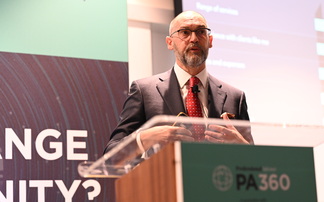
PA360: Clients value advisers' experience with 'people like them'
Advisers need to decide what type of clients they want to serve
 26 April 2024
•
3 min read
26 April 2024
•
3 min read
PA360: Firms must ditch shortcuts to 'organically build team culture'
26 April 2024
•
2 min read
PA360: AIM investments should be 'more than an IHT planning option'
26 April 2024
•
2 min read
PA360: Crucial advisers can spot all vulnerability characteristics
26 April 2024
•
1 min read
PA360: Do platforms have to work to keep themselves 'interesting'?
25 April 2024
•
1 min read
PA360: Framing of information to investors 'extremely pervasive'
25 April 2024
•
1 min read
PA360: Clients' lack of understanding of advice value is 'concerning'
25 April 2024
•
1 min read
PA360: Blended strategies an important adviser consideration
25 April 2024
•
2 min read
PA360: The need for a financial plan 'has never been higher'
25 April 2024
•
2 min read
PA360: Advice firms 'brush over' data integrity fundamentals
25 April 2024
•
1 min read
PA360: Advisers urged to harness TikTok as attention spans decline
26 April 2024
•
1 min read
PA360: Firms must ditch shortcuts to 'organically build team culture'
26 April 2024
•
2 min read
Feel Good Friday: Belmayne donates hi-vis vests to primary school
26 April 2024
•
1 min read
PA360: Clients' lack of understanding of advice value is 'concerning'
25 April 2024
•
1 min read
PA360: Advice firms 'brush over' data integrity fundamentals
25 April 2024
•
1 min read
PA360: The need for a financial plan 'has never been higher'
25 April 2024
•
2 min read




Popular Topics


Most read
01
PA360: Clients value advisers' experience with 'people like them'
26 April 2024
•
3 min read
02
PA360: Do platforms have to work to keep themselves 'interesting'?
25 April 2024
•
1 min read
03
PA360: Advice industry should not 'shoehorn' younger generation
26 April 2024
•
2 min read
04
PA360: AIM investments should be 'more than an IHT planning option'
26 April 2024
•
2 min read
05
PA360: Crucial advisers can spot all vulnerability characteristics
26 April 2024
•
1 min read
06
PA360: Advisers urged to harness TikTok as attention spans decline
26 April 2024
•
1 min read
Become a member
Unlimited access to real-time news, industry insights and market intelligence
